منصة طبية عربية مهتمة بتقديم المحتوي الطبي الموثوق...

منصة طبية عربية مهتمة بتقديم المحتوي الطبي الموثوق...
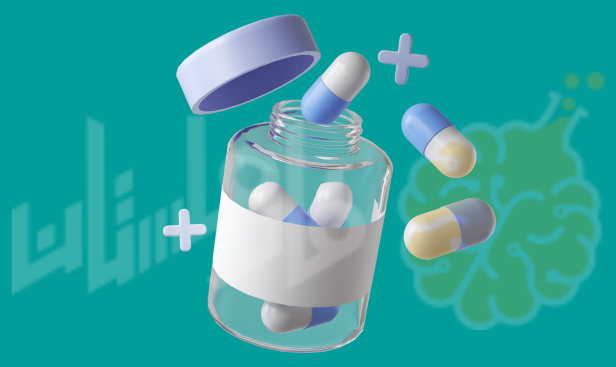
هذا الدواء مسكن فعال للآلام المتوسطة إلى الشديدة، ويستخدم لتخفيف الحمى وتقليل الالتهابات بفضل تركيبته التي تحتوي على ايبوبروفين بتركيز 200 ملغ. الجرعة الموصى بها للبالغين هي قرص واحد كل 4-6 ساعات حسب الحاجة.
تحميل المقالةUnderstanding Different Types of Malware
Symptoms of a Malware Infection
How to Protect Your Computer From Malware
The Impact of Phishing Attacks on Businesses
Understanding Different Types of Malware
Malware encompasses various malicious software types, each designed to infiltrate and harm computer systems.
Viruses are a common type, attaching themselves to executable files and spreading when the infected file is executed. They can corrupt files, damage the operating system, and replicate themselves across the system.
Worms are self-replicating malware that can spread across networks without requiring a host file. They exploit vulnerabilities in systems to propagate, consuming bandwidth and potentially causing system crashes.
Trojans disguise themselves as legitimate software but carry malicious payloads. Once installed, they can perform a variety of harmful actions, such as stealing data, installing other malware, or providing unauthorized access to the system.
Spyware is designed to secretly monitor user activity and collect sensitive information, such as browsing habits, passwords, and financial data. This information is then transmitted to a third party without the user's knowledge or consent.
Ransomware encrypts a victim's files and demands a ransom payment for the decryption key. This type of malware can cause significant data loss and financial damage to individuals and organizations.
Adware displays unwanted advertisements on a user's computer, often in the form of pop-ups or banners. While not always malicious, adware can be annoying and intrusive, and may also track user activity.
Symptoms of a Malware Infection
How to Protect Your Computer From Malware
The Impact of Phishing Attacks on Businesses
Phishing attacks can have devastating consequences for businesses, leading to financial losses, data breaches, and reputational damage.
Financial losses: Phishing attacks can result in direct financial losses through fraudulent transactions, theft of funds, or ransomware payments. The average cost of a data breach caused by phishing is significant.
Data breaches: Phishing attacks can compromise sensitive data, such as customer information, financial records, and intellectual property. This can lead to regulatory fines, legal liabilities, and loss of customer trust.
Reputational damage: A successful phishing attack can damage a company's reputation, leading to loss of customers, partners, and investors. It can take years to recover from such damage.
Operational disruption: Phishing attacks can disrupt business operations, causing downtime, delays, and reduced productivity. This can lead to lost revenue and increased costs.
Legal and regulatory consequences: Companies that fail to protect their data from phishing attacks may face legal and regulatory consequences, such as fines and lawsuits.
Loss of intellectual property: Phishing attacks can be used to steal valuable intellectual property, such as trade secrets, patents, and copyrights. This can give competitors an unfair advantage and harm a company's long-term competitiveness.