منصة طبية عربية مهتمة بتقديم المحتوي الطبي الموثوق...

منصة طبية عربية مهتمة بتقديم المحتوي الطبي الموثوق...
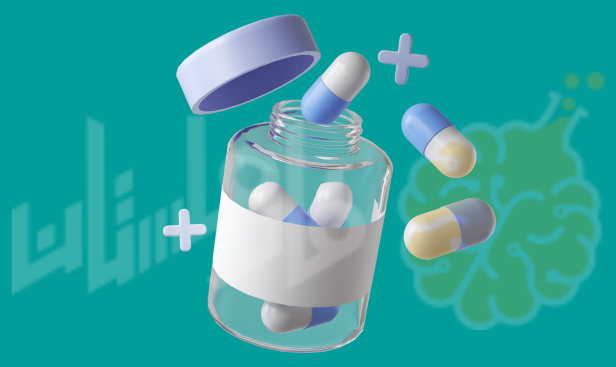
هذا الدواء عبارة عن مضاد حيوي واسع المجال يعالج الالتهابات البكتيرية المختلفة. يجب استخدامه تحت إشراف طبي لتجنب الآثار الجانبية المحتملة.
تحميل المقالةThe Benefits of Vitamin D
Understanding the Importance of Hydration
Effective Stress Management Techniques
The Benefits of Regular Exercise
The Benefits of Vitamin D
Vitamin D is a fat-soluble vitamin crucial for overall health. It plays a vital role in maintaining strong bones by helping the body absorb calcium and phosphorus. A deficiency in vitamin D can lead to bone disorders such as osteoporosis and rickets.
Beyond bone health, vitamin D supports the immune system, aiding in fighting off infections and diseases. Research suggests it may also play a role in reducing the risk of certain chronic illnesses, including heart disease, type 2 diabetes, and some cancers.
The primary source of vitamin D is sunlight exposure, but it can also be obtained through certain foods like fatty fish, egg yolks, and fortified dairy products. Supplements are available for those who may not get enough through diet or sunlight alone.
Understanding the Importance of Hydration
Staying hydrated is essential for maintaining optimal health. Water is involved in numerous bodily functions, including regulating body temperature, transporting nutrients, and removing waste products. Dehydration can lead to fatigue, dizziness, and impaired cognitive function.
The amount of water you need each day varies depending on factors like activity level, climate, and overall health. A general guideline is to drink at least eight glasses of water per day. However, you may need more if you are physically active or live in a hot environment.
In addition to water, you can stay hydrated by consuming fruits and vegetables with high water content, such as watermelon and cucumbers. Avoid sugary drinks, as they can actually contribute to dehydration.
Effective Stress Management Techniques
Stress is a common part of life, but chronic stress can have negative impacts on both physical and mental health. Learning effective stress management techniques is crucial for maintaining well-being.
One popular technique is mindfulness meditation, which involves focusing on the present moment and accepting thoughts and feelings without judgment. Regular physical activity can also help reduce stress by releasing endorphins, which have mood-boosting effects.
Other helpful strategies include practicing deep breathing exercises, spending time in nature, and connecting with supportive friends and family. It's important to identify your personal stressors and develop coping mechanisms that work for you.
The Benefits of Regular Exercise
Regular exercise offers a multitude of benefits for both physical and mental health. It helps maintain a healthy weight, strengthens bones and muscles, and reduces the risk of chronic diseases such as heart disease, stroke, and type 2 diabetes.
Exercise also has significant positive effects on mental well-being. It can help reduce symptoms of anxiety and depression, improve mood, and boost self-esteem. Even moderate exercise, such as a brisk walk, can make a noticeable difference.
Aim for at least 150 minutes of moderate-intensity aerobic exercise or 75 minutes of vigorous-intensity aerobic exercise per week. In addition, incorporate strength training exercises at least two days per week to work all major muscle groups.