منصة طبية عربية مهتمة بتقديم المحتوي الطبي الموثوق...

منصة طبية عربية مهتمة بتقديم المحتوي الطبي الموثوق...
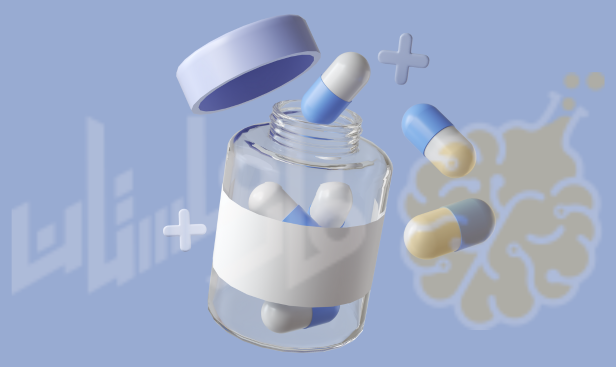
دواء متعدد الفيتامينات والمعادن، يعزز الصحة العامة ويساهم في دعم وظائف الجسم الحيوية.
يستخدم لتعويض نقص الفيتامينات والمعادن، وتحسين مستويات الطاقة والأداء البدني.
Understanding and Managing Postpartum Night Sweats
Effective Strategies for Managing Morning Sickness
Understanding and Addressing Postpartum Hair Loss
Tips for Managing Postpartum Constipation
Understanding and Managing Postpartum Night Sweats
Postpartum night sweats are a common experience for many women after giving birth. They are characterized by excessive sweating during the night and can be quite uncomfortable. This typically occurs because of hormonal changes as the body readjusts after pregnancy. The decrease in estrogen and progesterone levels can lead to these sweats. Additionally, the body is working to eliminate excess fluids retained during pregnancy, which contributes to increased perspiration.
To manage postpartum night sweats, consider these tips:
If night sweats are severe or accompanied by other symptoms like fever, chills, or weight loss, consult your healthcare provider to rule out any underlying medical conditions.
Effective Strategies for Managing Morning Sickness
Morning sickness, characterized by nausea and vomiting, is a frequent symptom during early pregnancy. Despite its name, it can occur at any time of the day. Several strategies can help alleviate morning sickness:
If symptoms are severe and you cannot keep food or fluids down, consult your healthcare provider. Severe morning sickness, known as hyperemesis gravidarum, may require medical treatment.
Understanding and Addressing Postpartum Hair Loss
Postpartum hair loss, also known as telogen effluvium, is a common condition experienced by many women after childbirth. During pregnancy, elevated hormone levels cause hair to remain in the growth phase. After delivery, hormone levels drop, causing a large percentage of hair follicles to enter the resting phase, followed by shedding.
Here are several ways to manage postpartum hair loss:
Postpartum hair loss is usually temporary, and hair growth typically returns to normal within 6 to 12 months. If hair loss persists or is excessive, consult your healthcare provider to rule out other potential causes.
Tips for Managing Postpartum Constipation
Postpartum constipation is a common issue that many women face after giving birth. It can be caused by hormonal changes, dehydration, pain medications, or weakened abdominal muscles.
Here are several strategies to manage postpartum constipation:
If constipation persists or is severe, consult your healthcare provider to rule out any underlying medical conditions.