
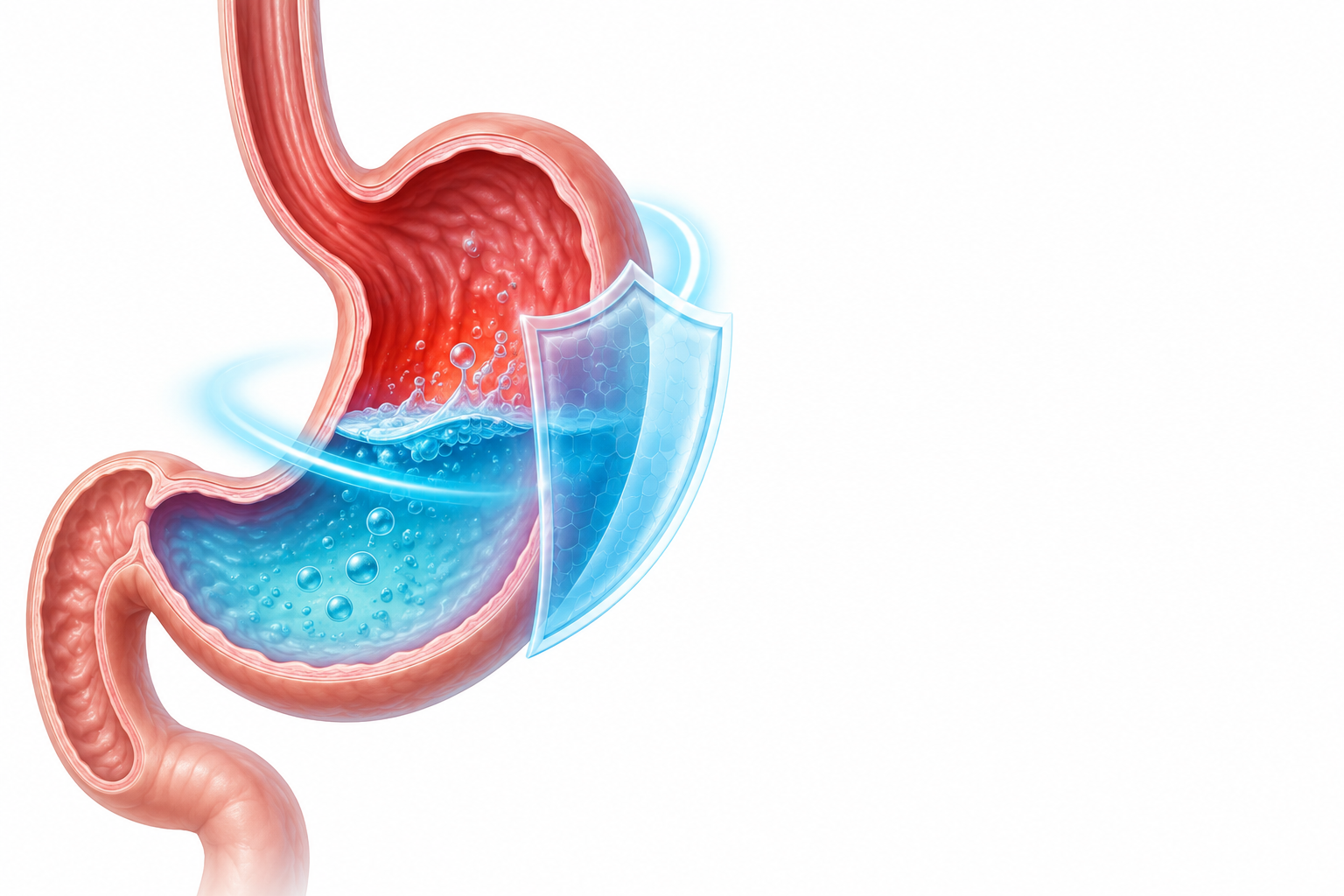
ألجينات الصوديوم، بيكربونات الصوديوم، كربونات الكالسيوم
Sodium alginate, sodium bicarbonate, calcium carbonate
مسكن فعال للألم وخافض للحرارة.
معلومات الدواء
خلاصة سريعة
- تستخدم هذه التركيبة لتخفيف حرقة المعدة وارتجاع الحمض، وليست مسكنا لآلام المفاصل.
- تكون الألجينات حاجزا فوق محتويات المعدة، بينما تساعد مضادات الحموضة على معادلة الحمض.
- يحدد الطبيب أو الصيدلي الجرعة المناسبة بحسب العمر وتركيز المستحضر وشكله الدوائي.
- استشر الصيدلي قبل الاستخدام إذا كنت تعاني من مرض في الكلى أو تتبع حمية قليلة الصوديوم.
- قد تؤثر مضادات الحموضة في امتصاص أدوية أخرى، لذلك يحدد الصيدلي الفاصل المناسب بينها.
- استمرار الحرقة أو تكررها، خصوصا مع صعوبة البلع أو فقدان وزن غير مبرر، يستدعي مراجعة الطبيب.
خلاصة مولّدة آليًا بالذكاء الاصطناعي من محتوى المقال العلمي الموثوق.
Understanding and Addressing Joint Pain
Joint pain can significantly affect your quality of life. Understanding its causes and available treatments is the first step toward finding relief. This article explores common causes of joint pain and offers practical advice for managing discomfort and improving joint health.
Common Causes of Joint Pain
- Osteoarthritis: This degenerative joint disease is a leading cause of joint pain, especially among older adults. It occurs when the cartilage that cushions the ends of bones in your joints gradually deteriorates.
- Rheumatoid Arthritis: An autoimmune disorder that causes inflammation of the joint lining, resulting in pain, swelling, and stiffness. It can eventually lead to joint damage and deformity.
- Bursitis: Inflammation of the bursae, small fluid-filled sacs that cushion bones, tendons, and muscles near joints. Bursitis often results from repetitive motions or prolonged pressure.
- Tendinitis: Inflammation or irritation of a tendon, the thick fibrous cords that attach muscle to bone. This condition commonly affects the elbows, knees, shoulders, and heels.
- Gout: A type of arthritis caused by a buildup of uric acid crystals in the joints. Gout attacks often occur suddenly, causing intense pain, redness, and swelling.
- Injuries: Joint pain can also result from acute injuries such as sprains, strains, dislocations, and fractures.
Symptoms Associated with Joint Pain
- Pain: Aching, throbbing, or sharp pain in one or more joints.
- Stiffness: Difficulty moving the joint, especially in the morning or after periods of inactivity.
- Swelling: Inflammation around the joint, making it appear larger or puffy.
- Redness and Warmth: The skin around the affected joint may be red and warm to the touch.
- Decreased Range of Motion: Inability to fully move the joint through its normal range of motion.
- Clicking or Popping: A sensation of clicking, popping, or grinding when moving the joint.
Effective Strategies for Managing Joint Pain
- Maintain a Healthy Weight: Excess weight puts additional stress on weight-bearing joints, such as the knees and hips. Losing even a small amount of weight can significantly reduce joint pain.
- Exercise Regularly: Low-impact exercises like swimming, cycling, and walking can help strengthen the muscles around your joints, providing support and stability.
- Use Hot and Cold Therapy: Applying heat can help relax muscles and relieve stiffness, while cold packs can reduce inflammation and numb pain.
- Consider Over-the-Counter Pain Relievers: Nonsteroidal anti-inflammatory drugs (NSAIDs) like ibuprofen and naproxen can help reduce pain and inflammation. Acetaminophen can also be effective for pain relief.
- Physical Therapy: A physical therapist can teach you exercises and techniques to improve joint mobility, strength, and flexibility.
- Assistive Devices: Using assistive devices like braces, canes, or walkers can help reduce stress on your joints and improve mobility.
- Alternative Therapies: Some people find relief from joint pain through alternative therapies such as acupuncture, massage, and yoga.
When to Seek Medical Advice for Joint Pain
While many cases of joint pain can be managed with self-care strategies, it's important to seek medical advice if you experience any of the following:
- Severe pain that doesn't improve with rest or over-the-counter pain relievers.
- Sudden joint swelling or deformity.
- Inability to move the joint.
- Signs of infection, such as fever, chills, or redness around the joint.
- Pain that lasts for more than a few weeks.
A healthcare professional can accurately diagnose the cause of your joint pain and recommend the most appropriate treatment plan.
The Role of Diet in Joint Health
Your diet can play a significant role in managing joint pain and promoting overall joint health. Certain foods have anti-inflammatory properties, while others may exacerbate joint pain. Here’s how to optimize your diet for joint health:
- Include Anti-Inflammatory Foods: Incorporate foods rich in omega-3 fatty acids (such as fatty fish, flaxseeds, and walnuts), antioxidants (such as fruits and vegetables), and spices like turmeric and ginger.
- Limit Processed Foods and Sugars: These can contribute to inflammation in the body, worsening joint pain.
- Stay Hydrated: Drinking plenty of water helps keep your joints lubricated and functioning properly.
- Consider a Mediterranean Diet: This diet is rich in anti-inflammatory foods and has been shown to benefit joint health.
The Importance of Posture and Ergonomics
Maintaining good posture and practicing proper ergonomics can help prevent and alleviate joint pain, especially if you spend long hours sitting or performing repetitive tasks.
- Maintain Good Posture: Keep your back straight, shoulders relaxed, and head level. Use a supportive chair and adjust your workstation to promote good posture.
- Practice Proper Lifting Techniques: Bend your knees and keep your back straight when lifting heavy objects to avoid straining your joints.
- Take Breaks: If you spend long periods sitting or performing repetitive tasks, take frequent breaks to stretch and move around.
- Optimize Your Workstation: Position your computer screen at eye level and use a supportive keyboard and mouse to minimize strain on your wrists and hands.
Innovative Treatments for Joint Pain
Advancements in medical technology have led to innovative treatments for joint pain, offering new hope for those who haven't found relief with traditional methods.
- Hyaluronic Acid Injections: These injections can help lubricate the joint and reduce pain.
- Platelet-Rich Plasma (PRP) Therapy: PRP therapy uses the patient's own blood to promote healing and reduce inflammation in the joint.
- Stem Cell Therapy: Stem cell therapy involves injecting stem cells into the joint to regenerate damaged tissue.
- Radiofrequency Ablation: This procedure uses radiofrequency energy to destroy the nerves that transmit pain signals from the joint.
- Joint Replacement Surgery: In severe cases, joint replacement surgery may be necessary to replace the damaged joint with an artificial one.
Living Well with Joint Pain
Living with joint pain can be challenging, but with the right strategies and support, you can maintain an active and fulfilling life.
- Stay Active: Find activities you enjoy and can do comfortably, such as walking, swimming, or yoga.
- Manage Stress: Stress can worsen joint pain, so find healthy ways to manage stress, such as meditation, deep breathing, or spending time in nature.
- Get Enough Sleep: Adequate sleep is essential for pain management and overall health.
- Seek Support: Connect with friends, family, or support groups to share your experiences and get encouragement.
- Stay Positive: A positive attitude can make a big difference in your ability to cope with joint pain.
أسئلة شائعة
ما استخدام ألجينات الصوديوم مع بيكربونات الصوديوم وكربونات الكالسيوم؟
تستخدم هذه التركيبة لتخفيف حرقة المعدة وأعراض ارتجاع الحمض، مثل الطعم الحامض الذي قد تشعر به بعد الطعام أو عند الاستلقاء. لا تعالج آلام المفاصل، رغم أن المقال المرفق يتناول هذا الموضوع.
كيف تعمل هذه التركيبة على تخفيف الارتجاع؟
تكون ألجينات الصوديوم حاجزا هلاميا يطفو فوق محتويات المعدة ويساعد على تقليل رجوعها إلى المريء. وتساعد بيكربونات الصوديوم وكربونات الكالسيوم على معادلة حمض المعدة.
كيف أتناول هذا الدواء ومتى؟
تستخدم مستحضرات هذه التركيبة عادة بعد الوجبات وقبل النوم، مع الالتزام بتعليمات العبوة. يحدد الطبيب أو الصيدلي الجرعة المناسبة، لأن التركيز وطريقة الاستخدام يختلفان بين السائل وأقراص المضغ.
هل يمكن استخدام هذه التركيبة أثناء الحمل والرضاعة؟
يمكن استخدام مستحضرات هذه التركيبة أثناء الحمل والرضاعة عند الحاجة ووفق التعليمات، بعد التأكد من ملاءمة المنتج مع الطبيب أو الصيدلي. أخبريه إذا كنت تتبعين حمية قليلة الملح أو لديك مرض في الكلى.
هل تتداخل هذه التركيبة مع الأدوية الأخرى؟
نعم، قد تقلل مضادات الحموضة امتصاص بعض الأدوية، مثل الحديد وليفوثيروكسين وبعض المضادات الحيوية. لا تتناولها معها في الوقت نفسه قبل سؤال الصيدلي عن الفاصل المناسب لكل دواء.
ما الآثار الجانبية ومتى أحتاج إلى مساعدة طبية؟
قد يحدث انتفاخ أو تجشؤ أو إمساك لدى بعض المستخدمين. أوقف الدواء واطلب مساعدة عاجلة عند ظهور صعوبة في التنفس أو تورم الوجه، وراجع الطبيب إذا استمرت الحرقة أو صاحبتها صعوبة في البلع أو فقدان وزن غير مبرر.
أدوية ذات صلة
بروبافينون
propafenone
يستخدم هذا الدواء لمنع اضطرابات ضربات القلب الخطيرة، ويجب استشارة الطبيب قبل الاستخدام.
التفاصيلأوكسيميتازولين، مينثول، مرهم أبو فاس
Oxymetazoline, menthol, others vaporub ointment
مرهم لتخفيف السعال، البرد، وآلام المفاصل.
التفاصيلأوكسيميتازولين، مينثول، مرهم أبو فاس
Oxymetazoline, menthol, others vaporub ointment
مرهم للاستنشاق يخفف السعال وأعراض البرد وآلام العضلات.
التفاصيل