
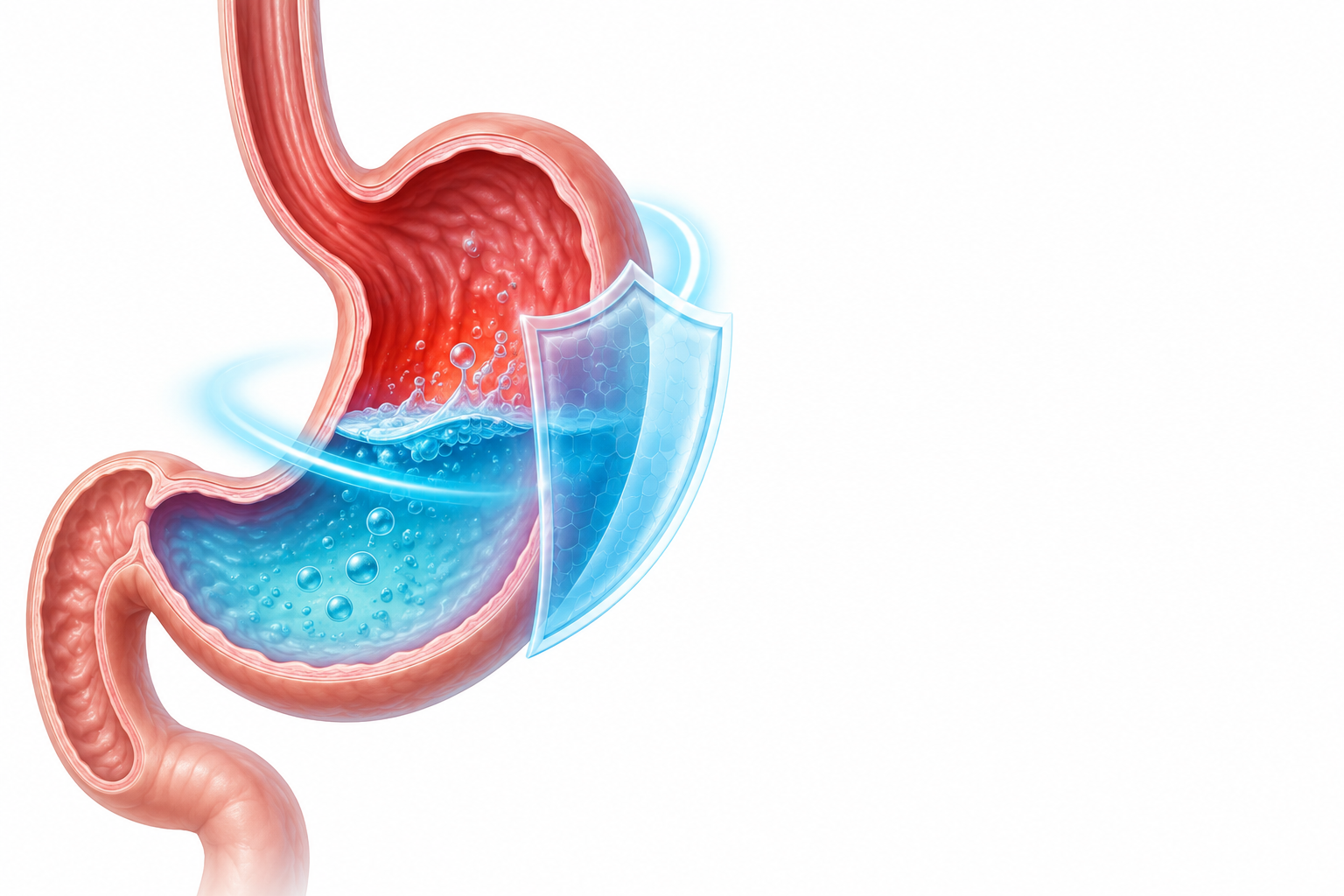
بانتوبرازول
Pantoprazole sodium sesquihydrate
مضاد حيوي واسع المجال لعلاج الالتهابات البكتيرية المتنوعة.
معلومات الدواء
خلاصة سريعة
- يقلل بانتوبرازول إنتاج حمض المعدة، مما يساعد على تخفيف الارتجاع وشفاء التهاب المريء التآكلي.
- تبلع الأقراص متأخرة التحرر كاملة دون سحق أو مضغ.
- قد يحتاج تحسن الأعراض إلى عدة أيام؛ الدواء لا يزيل الحموضة فورا.
- الصداع والإسهال والغثيان من الآثار الجانبية المحتملة.
- يحتاج الاستخدام الطويل إلى متابعة طبية لتقييم الحاجة للعلاج ومخاطره.
- بانتوبرازول ليس علاجا لألزهايمر؛ المقال المرفق يتناول مرضا مختلفا عن استخدامات الدواء.
خلاصة مولّدة آليًا بالذكاء الاصطناعي من محتوى المقال العلمي الموثوق.
Understanding Alzheimer's Disease: Symptoms, Causes, and Diagnosis
Alzheimer's disease is a progressive disorder that slowly erodes memory and cognitive skills. It is the most common cause of dementia, affecting millions worldwide. Early diagnosis and understanding of Alzheimer's are crucial for managing the disease and improving the quality of life for patients and their families.
Early Signs and Symptoms of Alzheimer's
- Memory loss that disrupts daily life is one of the most common early signs.
- Challenges in planning or solving problems can also indicate the onset of Alzheimer's.
- Confusion with time or place is another frequent symptom.
- Difficulty completing familiar tasks at home, at work, or during leisure activities may arise.
- Other signs include new problems with words in speaking or writing and misplacing things and losing the ability to retrace steps.
- Decreased or poor judgment and changes in mood or personality are also observed in the early stages.
What are the Main Causes and Risk Factors of Alzheimer's?
The exact causes of Alzheimer's disease are not fully understood, but it likely results from a combination of genetic, lifestyle, and environmental factors. Age is the most significant risk factor, with the likelihood of developing the disease increasing with age. Family history also plays a role; individuals with a parent or sibling who has Alzheimer's are more likely to develop the condition. Other risk factors include heart disease, high blood pressure, diabetes, and obesity. Research suggests that maintaining a healthy lifestyle through regular exercise, a balanced diet, and cognitive stimulation may help reduce the risk of Alzheimer's.
How is Alzheimer's Disease Diagnosed?
Diagnosing Alzheimer's disease involves a comprehensive evaluation, including a review of medical history, physical and neurological exams, and cognitive and functional assessments. Doctors may order brain imaging tests, such as MRI or CT scans, to rule out other potential causes of symptoms. Neuropsychological tests are used to assess memory, problem-solving, attention, language, and other cognitive functions. In some cases, cerebrospinal fluid analysis or PET scans may be used to detect biomarkers associated with Alzheimer's. Early and accurate diagnosis is essential for accessing appropriate treatments and support services.
Treatment Options and Management Strategies for Alzheimer's
While there is currently no cure for Alzheimer's disease, several treatment options and management strategies can help manage symptoms and improve the quality of life for individuals with the disease. Medications, such as cholinesterase inhibitors and memantine, may help improve cognitive function and memory in some patients. Lifestyle adjustments, including regular exercise, a healthy diet, and cognitive stimulation, can also be beneficial. Support groups and counseling can provide emotional support for patients and their families. Additionally, creating a safe and supportive environment, managing behavioral symptoms, and planning for long-term care are important aspects of managing Alzheimer's disease.
The Impact of Alzheimer's on Families and Caregivers
Alzheimer's disease significantly impacts not only the individual diagnosed but also their families and caregivers. Caregiving for someone with Alzheimer's can be emotionally and physically demanding, often leading to stress, burnout, and other health problems. It is crucial for caregivers to seek support from family, friends, and professional organizations. Respite care, adult day care, and other support services can provide caregivers with temporary relief and allow them to take care of their own needs. Education and resources are available to help families better understand and manage the challenges of Alzheimer's disease.
Current Research and Future Directions in Alzheimer's Disease
Research into Alzheimer's disease is ongoing, with scientists working to better understand the underlying causes of the disease, develop new treatments, and ultimately find a cure. Current research focuses on identifying biomarkers for early detection, developing drugs that target specific disease mechanisms, and exploring lifestyle interventions to reduce the risk of Alzheimer's. Clinical trials are essential for testing new therapies and determining their effectiveness. Advances in genetics, neuroimaging, and other technologies are providing valuable insights into Alzheimer's disease and paving the way for future breakthroughs.
Practical Tips for Daily Living with Alzheimer's
- Establish a routine to provide structure and predictability.
- Simplify tasks to reduce confusion and frustration.
- Use visual cues and reminders to aid memory.
- Create a safe environment to prevent falls and accidents.
- Encourage social interaction and engagement in meaningful activities.
- Communicate clearly and patiently.
- Maintain a healthy lifestyle through proper nutrition, exercise, and sleep.
- Seek support from family, friends, and professionals.
Resources and Support for Alzheimer's Patients and Their Families
Numerous resources and support services are available for Alzheimer's patients and their families. Organizations like the Alzheimer's Association and the National Institute on Aging provide information, education, and support programs. Local support groups offer a forum for sharing experiences and connecting with others facing similar challenges. Government agencies and community organizations also offer various services, such as respite care, home health care, and financial assistance. Accessing these resources can significantly improve the quality of life for individuals with Alzheimer's and their caregivers.
أسئلة شائعة
ما استخدامات بانتوبرازول؟
يستخدم لتقليل حمض المعدة وعلاج ارتجاع المريء والتهاب المريء التآكلي الناتج عنه. وقد يصفه الطبيب لحالات أخرى يصاحبها إفراز مفرط لحمض المعدة.
هل يؤخذ بانتوبرازول قبل الأكل أم بعده؟
يمكن تناول الأقراص متأخرة التحرر مع الطعام أو بدونه، بينما تؤخذ الحبيبات المخصصة للمعلق الفموي قبل الوجبة بحسب نشرة المستحضر. اتبع تعليمات الطبيب أو الصيدلي بشأن الجرعة والتوقيت، ولا تسحق الأقراص أو تمضغها.
متى يبدأ مفعول بانتوبرازول للحموضة؟
ليس بديلا سريعا لمضادات الحموضة عند الشعور بحرقة بعد وجبة، وقد يحتاج تحسن الأعراض إلى عدة أيام. استمر وفق الوصفة، وراجع الطبيب إذا استمرت الأعراض أو ازدادت بدلا من زيادة الجرعة بنفسك.
ما الآثار الجانبية لدواء بانتوبرازول؟
قد يسبب صداعا أو إسهالا أو غثيانا أو ألما بالبطن. اطلب تقييما طبيا عند حدوث إسهال شديد أو مستمر، واطلب مساعدة عاجلة إذا ظهر تورم بالوجه أو صعوبة في التنفس.
هل يمكن استخدام بانتوبرازول لفترة طويلة؟
قد يصفه الطبيب لفترة طويلة عندما تستدعي الحالة ذلك، مع مراجعة الحاجة إليه بانتظام. قد يرتبط الاستخدام المطول بانخفاض المغنيسيوم أو نقص فيتامين ب12 وزيادة خطر الكسور، لذلك لا تمدد العلاج من نفسك.
هل يتداخل بانتوبرازول مع أدوية أخرى؟
نعم، قد يتداخل مع أدوية مثل الوارفارين والميثوتركسات وبعض أدوية فيروس نقص المناعة البشرية، كما قد يؤثر في امتصاص أدوية تحتاج إلى وسط حمضي. أعط الصيدلي قائمة بأدويتك ومكملاتك قبل البدء، حتى لو كنت تتناول بعضها عند الحاجة فقط.
أدوية ذات صلة
بروبافينون
propafenone
يستخدم هذا الدواء لمنع اضطرابات ضربات القلب الخطيرة، ويجب استشارة الطبيب قبل الاستخدام.
التفاصيلأوكسيميتازولين، مينثول، مرهم أبو فاس
Oxymetazoline, menthol, others vaporub ointment
مرهم لتخفيف السعال، البرد، وآلام المفاصل.
التفاصيلأوكسيميتازولين، مينثول، مرهم أبو فاس
Oxymetazoline, menthol, others vaporub ointment
مرهم للاستنشاق يخفف السعال وأعراض البرد وآلام العضلات.
التفاصيل