
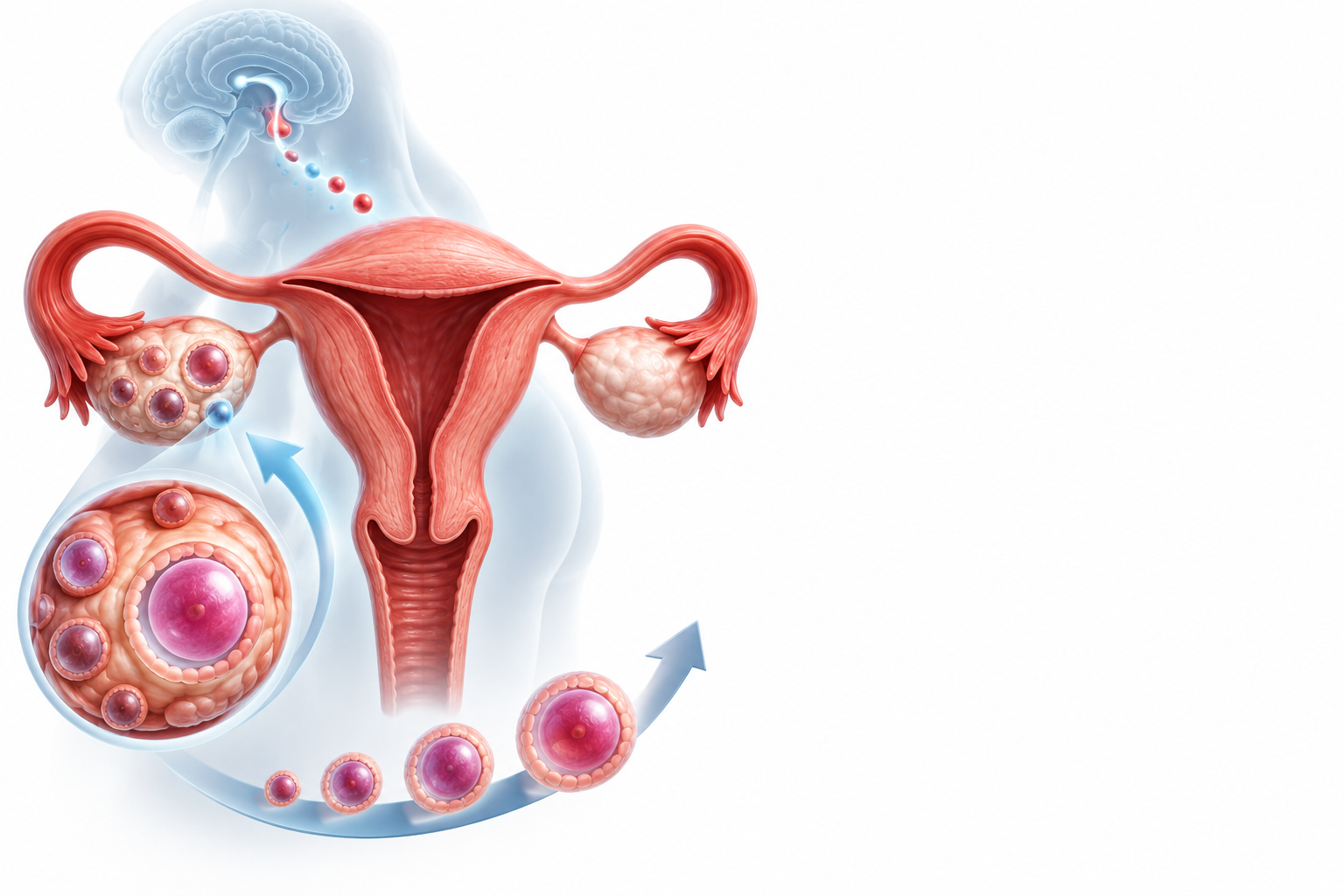
كلوميفين .
Clomifene
مضاد حيوي واسع المجال لعلاج الالتهابات البكتيرية.
معلومات الدواء
خلاصة سريعة
- يستخدم كلوميفين لتحفيز التبويض، وليس لعلاج كل أسباب تأخر الحمل.
- يحدد الطبيب الجرعة وأيام العلاج حسب تقييم الحالة واستجابة المبيض.
- قد يزيد العلاج احتمال الحمل بتوأم أو أكثر، لذا تحتاجين إلى متابعة طبية.
- تشوش الرؤية أو رؤية ومضات يستلزمان إيقاف الدواء والتواصل مع الطبيب فورا.
- ألم البطن الشديد أو الانتفاخ المتزايد أو ضيق التنفس يستلزم تقييما طبيا عاجلا.
- لا يستخدم كلوميفين أثناء الحمل، ويجب استبعاد الحمل قبل بدء العلاج.
خلاصة مولّدة آليًا بالذكاء الاصطناعي من محتوى المقال العلمي الموثوق.
Understanding and Managing Childhood Anxiety
Childhood anxiety is a prevalent issue, with many children experiencing excessive worry and fear. Recognizing the signs and implementing effective strategies are crucial for supporting their emotional well-being.
Recognizing the Signs of Anxiety in Children
- Excessive Worry: Constant worrying about various things, such as school, friends, or family.
- Physical Symptoms: Complaints of stomachaches, headaches, or fatigue.
- Sleep Disturbances: Difficulty falling asleep or staying asleep.
- Irritability: Increased irritability or restlessness.
- Avoidance: Avoiding situations or activities that trigger anxiety.
Effective Strategies for Managing Childhood Anxiety
- Create a Calm Environment: Establish a peaceful and predictable home environment.
- Teach Relaxation Techniques: Practice deep breathing, mindfulness, or progressive muscle relaxation.
- Encourage Open Communication: Talk to your child about their feelings and validate their emotions.
- Cognitive Behavioral Therapy (CBT): Seek professional help to address negative thought patterns and behaviors.
- Exposure Therapy: Gradually expose your child to feared situations to help them overcome their anxiety.
The Role of Parents in Managing Childhood Anxiety
Parents play a vital role in helping children manage anxiety. Providing support, understanding, and guidance can make a significant difference. Encourage your child to face their fears, celebrate small victories, and seek professional help when needed. By working together, parents and children can overcome anxiety and build resilience.
The Impact of Social Media on Teen Mental Health
Social media has a significant impact on teen mental health. It can be both a source of connection and a source of stress. Understanding the effects of social media is crucial for promoting positive mental well-being.
Understanding the Positive Aspects of Social Media
- Connection and Support: Social media can help teens connect with friends, family, and support groups.
- Access to Information: It provides access to valuable information and educational resources.
- Creative Expression: It allows teens to express themselves creatively through various platforms.
- Community Building: It facilitates community building and engagement with like-minded individuals.
Addressing the Negative Impacts of Social Media
- Cyberbullying: Social media can expose teens to cyberbullying and online harassment.
- Social Comparison: It often leads to social comparison and feelings of inadequacy.
- Sleep Disruption: Excessive social media use can disrupt sleep patterns.
- Anxiety and Depression: It can contribute to anxiety and depression.
Strategies for Promoting Healthy Social Media Use
- Set Time Limits: Establish time limits for social media use to prevent excessive engagement.
- Encourage Offline Activities: Promote participation in offline activities and hobbies.
- Promote Critical Thinking: Teach teens to critically evaluate online content and avoid comparing themselves to others.
- Open Communication: Encourage open communication about online experiences and concerns.
- Privacy Settings: Adjust privacy settings to protect personal information and control online interactions.
Seeking Professional Help for Teen Mental Health
If your teen is struggling with mental health issues, seek professional help. Therapists, counselors, and mental health professionals can provide guidance, support, and effective treatment options. Early intervention is crucial for promoting long-term well-being.
Understanding Postpartum Depression (PPD)
Postpartum depression (PPD) is a mood disorder that can affect women after childbirth. It is characterized by feelings of sadness, anxiety, and exhaustion. Recognizing the symptoms and seeking treatment are essential for maternal well-being.
Identifying the Symptoms of Postpartum Depression
- Persistent Sadness: Prolonged feelings of sadness, emptiness, or hopelessness.
- Loss of Interest: Loss of interest in activities once enjoyed.
- Sleep Disturbances: Difficulty sleeping or sleeping too much.
- Changes in Appetite: Significant changes in appetite or weight.
- Fatigue: Persistent fatigue and lack of energy.
- Anxiety: Excessive worry or anxiety.
- Irritability: Increased irritability or restlessness.
- Difficulty Bonding: Difficulty bonding with the baby.
- Thoughts of Harm: Thoughts of harming oneself or the baby.
Risk Factors for Postpartum Depression
- History of Depression: A personal or family history of depression.
- Stressful Life Events: Experiencing stressful life events during pregnancy or postpartum.
- Lack of Social Support: Insufficient social support from family and friends.
- Complicated Pregnancy or Delivery: Experiencing a complicated pregnancy or delivery.
- Hormonal Changes: Significant hormonal changes after childbirth.
Effective Treatments for Postpartum Depression
- Therapy: Cognitive Behavioral Therapy (CBT) and interpersonal therapy can help address negative thoughts and behaviors.
- Medication: Antidepressant medications may be prescribed to regulate mood.
- Support Groups: Joining support groups can provide emotional support and connection with other mothers.
- Lifestyle Changes: Engaging in regular exercise, healthy eating, and sufficient sleep can improve mood.
- Hormone Therapy: Hormone therapy may be considered in some cases.
The Importance of Seeking Help for PPD
Seeking help for postpartum depression is crucial for maternal and infant well-being. Untreated PPD can have long-term effects on the mother-child relationship and the child's development. Early intervention can improve outcomes and promote a healthy family environment.
Understanding the Benefits of Mindfulness for Mental Health
Mindfulness is a mental state achieved by focusing one's awareness on the present moment, while calmly acknowledging and accepting one's feelings, thoughts, and bodily sensations. Practicing mindfulness can have numerous benefits for mental health and overall well-being.
Key Benefits of Mindfulness
- Reduced Stress: Mindfulness helps reduce stress by promoting relaxation and reducing reactivity to stressors.
- Improved Focus: Regular mindfulness practice can improve attention and concentration.
- Emotional Regulation: It enhances emotional regulation by increasing awareness of emotions and promoting non-judgmental acceptance.
- Anxiety Relief: Mindfulness can alleviate anxiety symptoms by reducing worry and promoting a sense of calm.
- Increased Self-Awareness: It fosters self-awareness by helping individuals become more attuned to their thoughts, feelings, and behaviors.
How to Practice Mindfulness
- Mindful Breathing: Focus on the sensation of your breath as it enters and leaves your body.
- Body Scan Meditation: Pay attention to different parts of your body, noticing any sensations without judgment.
- Mindful Walking: Focus on the physical sensations of walking, such as the feeling of your feet on the ground.
- Mindful Eating: Pay attention to the taste, texture, and smell of your food while eating.
- Daily Mindfulness: Incorporate mindfulness into everyday activities, such as washing dishes or brushing your teeth.
Integrating Mindfulness into Daily Life
Integrating mindfulness into daily life can be simple and effective. Start with a few minutes each day and gradually increase the duration as you become more comfortable. Consistency is key to experiencing the full benefits of mindfulness. By incorporating mindfulness into your routine, you can cultivate a greater sense of peace, clarity, and well-being.
The Connection Between Sleep and Mental Health
Sleep and mental health are closely intertwined. Sufficient sleep is essential for maintaining optimal mental health. Sleep deprivation can exacerbate mental health issues and impair overall well-being.
The Impact of Sleep Deprivation on Mental Health
- Mood Swings: Sleep deprivation can lead to mood swings and increased irritability.
- Anxiety and Depression: It can increase the risk of anxiety and depression.
- Impaired Cognitive Function: It can impair cognitive function, including memory and concentration.
- Increased Stress: Lack of sleep can increase stress levels and reduce coping abilities.
Strategies for Improving Sleep Quality
- Establish a Routine: Create a consistent sleep schedule by going to bed and waking up at the same time each day.
- Create a Relaxing Environment: Make your bedroom dark, quiet, and cool.
- Limit Screen Time: Avoid using electronic devices before bed.
- Avoid Caffeine and Alcohol: Limit caffeine and alcohol consumption, especially in the evening.
- Regular Exercise: Engage in regular physical activity, but avoid exercising close to bedtime.
أسئلة شائعة
ما استخدام كلوميفين وهل يساعد على الحمل؟
يستخدم كلوميفين لتحفيز الإباضة لدى بعض النساء اللاتي لا تحدث لديهن إباضة منتظمة ويرغبن في الحمل. قد يساعد عند وجود اضطراب في التبويض، لكنه لا يضمن حدوث الحمل ولا يعالج جميع أسباب تأخره.
هل يستخدم كلوميفين لتكيس المبايض؟
قد يصفه الطبيب لبعض المصابات بمتلازمة تكيس المبايض لتحفيز الإباضة عند تأخر الحمل. اختيار العلاج يعتمد على تقييم الحالة، فالدواء ليس علاجا لجميع أعراض التكيس.
كيف يؤخذ كلوميفين ومتى أبدأ به؟
يحدد الطبيب الجرعة وأيام تناوله وفقا للدورة الشهرية ونتائج التقييم، فلا تبدئي به اعتمادا على تجربة صديقة. قد تتطلب المتابعة فحوصا أو تصوير المبيض بالموجات فوق الصوتية لتقييم الاستجابة قبل تكرار العلاج.
ما الآثار الجانبية لكلوميفين ومتى تكون خطيرة؟
قد يسبب هبات ساخنة أو صداعا أو غثيانا أو انزعاجا بالبطن. إذا ظهرت زغللة أو ومضات ضوئية، أوقفيه وتواصلي مع الطبيب فورا وتجنبي القيادة. أما ألم البطن الشديد أو الانتفاخ المتزايد أو ضيق التنفس فيحتاج إلى تقييم عاجل لاحتمال فرط تنبيه المبيض.
هل كلوميفين يزيد فرصة الحمل بتوأم؟
نعم، قد يزيد احتمال الحمل بتوأم أو أكثر لأنه قد يحفز نضج أكثر من بويضة. لكنه لا يضمن الحمل بتوأم، والحمل المتعدد يرتبط بمخاطر إضافية للأم والأجنة.
من يجب عليها تجنب كلوميفين؟
لا يستخدم أثناء الحمل، أو عند وجود مرض بالكبد أو تاريخ مرضي لاضطراب وظائفه، أو نزيف رحمي غير معروف السبب. وقد يمنع أيضا عند وجود بعض أكياس المبيض غير المرتبطة بمتلازمة التكيس؛ لذلك أخبري الطبيب بتاريخك المرضي قبل بدء العلاج.
أدوية ذات صلة
بروبافينون
propafenone
يستخدم هذا الدواء لمنع اضطرابات ضربات القلب الخطيرة، ويجب استشارة الطبيب قبل الاستخدام.
التفاصيلأوكسيميتازولين، مينثول، مرهم أبو فاس
Oxymetazoline, menthol, others vaporub ointment
مرهم لتخفيف السعال، البرد، وآلام المفاصل.
التفاصيلأوكسيميتازولين، مينثول، مرهم أبو فاس
Oxymetazoline, menthol, others vaporub ointment
مرهم للاستنشاق يخفف السعال وأعراض البرد وآلام العضلات.
التفاصيل