
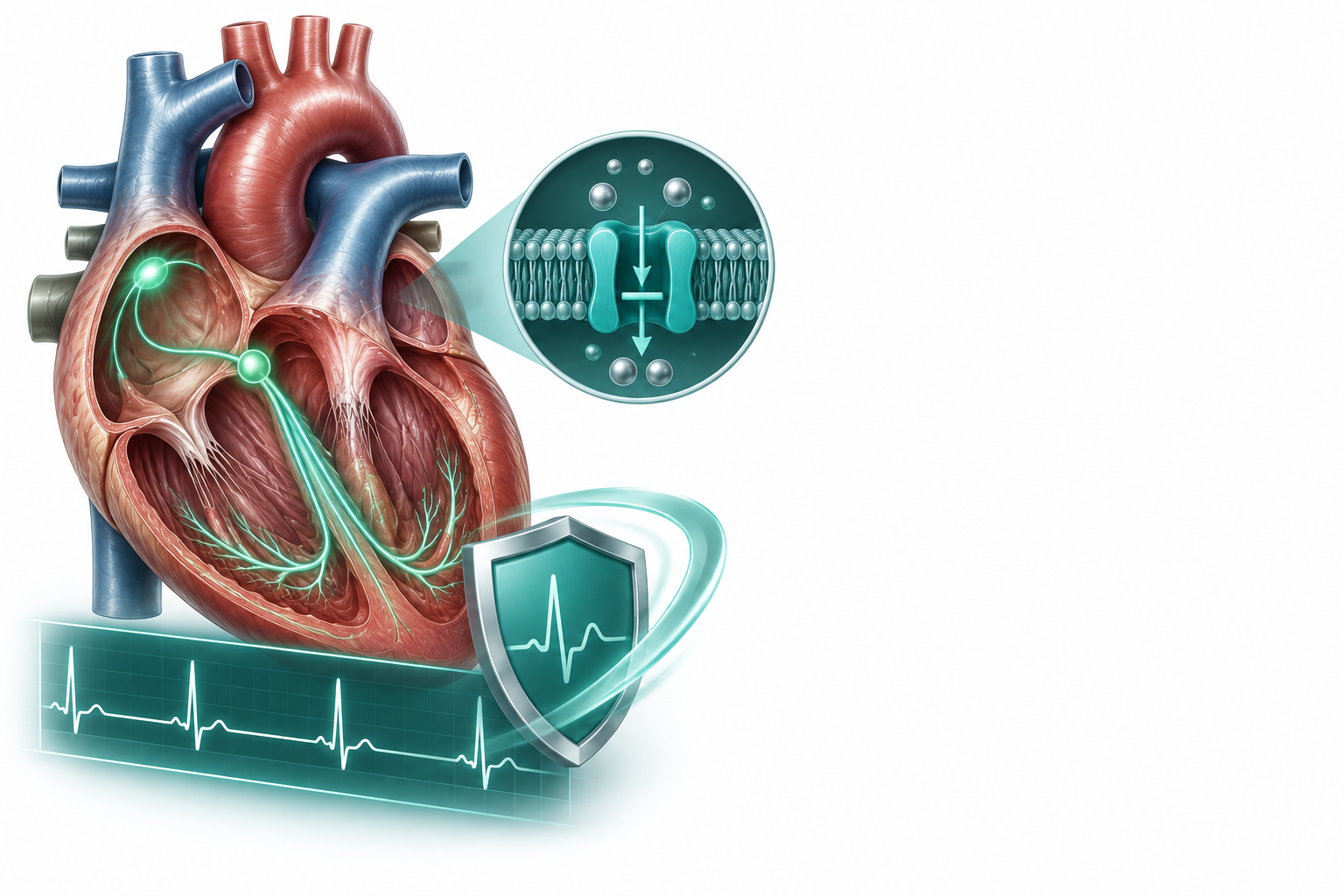
أيزوبروترينول
Isoproterenol
مسكن للألم الخفيف إلى المتوسط، متوفر بدون وصفة.
معلومات الدواء
خلاصة سريعة
- يستخدم أيزوبروترينول في حالات مختارة من بطء القلب واضطرابات التوصيل القلبي، بحسب تقييم الطبيب.
- ينشط مستقبلات بيتا في القلب والشعب الهوائية، فيزيد سرعة القلب ويساعد على توسيع الشعب.
- يعطى بالحقن بواسطة الفريق الطبي مع مراقبة نبض القلب وضغط الدم وتخطيط القلب.
- قد يسبب خفقانا ورجفة وصداعا، وقد يؤدي إلى اضطرابات خطيرة في نظم القلب.
- ليس دواء لعلاج اضطرابات القلق، حتى لو تشابهت بعض آثاره الجانبية مع أعراضها.
خلاصة مولّدة آليًا بالذكاء الاصطناعي من محتوى المقال العلمي الموثوق.
Understanding Different Types of Anxiety Disorders
Anxiety disorders are more than just temporary worry or fear. They are serious mental health conditions that can cause significant distress and interfere with daily life. It's important to understand the different types of anxiety disorders to seek appropriate help. Generalized Anxiety Disorder (GAD) involves persistent and excessive worry about various things, even when there is no specific reason to worry. Panic Disorder is characterized by sudden episodes of intense fear that trigger severe physical symptoms. Social Anxiety Disorder (Social Phobia) involves a significant fear of being judged or embarrassed in social situations. Specific Phobias involve intense fear of a specific object or situation, such as heights, spiders, or flying. Separation Anxiety Disorder involves excessive fear or anxiety about separation from attachment figures. Selective Mutism is a consistent failure to speak in specific social situations where there is an expectation for speaking, despite speaking in other situations. Understanding these distinctions is the first step toward effective management and treatment.
Common Symptoms of Anxiety
- Excessive Worry: Persistent and uncontrollable worry about various things.
- Restlessness: Feeling on-edge or unable to relax.
- Fatigue: Feeling tired easily.
- Difficulty Concentrating: Trouble focusing or concentrating on tasks.
- Irritability: Being easily annoyed or short-tempered.
- Muscle Tension: Experiencing muscle aches or tension.
- Sleep Disturbances: Difficulty falling asleep or staying asleep.
- Panic Attacks: Sudden episodes of intense fear accompanied by physical symptoms like heart palpitations and sweating.
- Social Avoidance: Avoiding social situations due to fear of judgment.
- Phobias: Intense fear of specific objects or situations.
Effective Treatment Options for Anxiety
Several effective treatment options are available for managing anxiety. Psychotherapy, particularly Cognitive Behavioral Therapy (CBT), helps individuals identify and change negative thought patterns and behaviors that contribute to anxiety. Medication, such as antidepressants and anti-anxiety drugs, can help regulate mood and reduce anxiety symptoms. Lifestyle changes, including regular exercise, a balanced diet, and sufficient sleep, can also significantly impact anxiety levels. Relaxation Techniques, such as deep breathing and meditation, help calm the mind and reduce physical tension. Support Groups provide a sense of community and shared experience, offering valuable emotional support. A combination of these approaches often yields the best results in managing anxiety effectively.
The Role of Lifestyle Changes in Managing Anxiety
Lifestyle changes play a crucial role in managing anxiety. Regular Exercise helps reduce stress hormones and improve mood. A Balanced Diet provides essential nutrients that support brain function and emotional well-being. Sufficient Sleep is vital for regulating mood and reducing irritability. Limiting Caffeine and Alcohol intake can prevent anxiety symptoms from worsening. Practicing Mindfulness and Meditation helps calm the mind and reduce stress. These changes can significantly contribute to overall anxiety management.
Understanding the Connection Between Diet and Anxiety
The connection between diet and anxiety is increasingly recognized. Certain foods can impact mood and anxiety levels. A balanced diet rich in fruits, vegetables, and whole grains provides essential nutrients that support brain health. Avoiding processed foods, sugary drinks, and excessive caffeine can help stabilize mood and reduce anxiety symptoms. Including omega-3 fatty acids, found in fish and flaxseeds, can also promote mental well-being. Staying hydrated by drinking plenty of water is important for overall health and can help reduce anxiety symptoms. Paying attention to dietary choices can be a valuable component of anxiety management.
Practical Tips for Managing Anxiety at Work
- Prioritize Tasks: Break down large tasks into smaller, manageable steps.
- Take Breaks: Schedule short breaks throughout the day to relax and recharge.
- Practice Deep Breathing: Use deep breathing techniques to calm your nerves during stressful moments.
- Set Boundaries: Learn to say no to additional responsibilities when you feel overwhelmed.
- Organize Workspace: Keep your workspace tidy to reduce distractions and stress.
- Communicate: Talk to your supervisor or colleagues about your workload and challenges.
- Avoid Perfectionism: Strive for progress, not perfection, to reduce self-imposed pressure.
- Stay Hydrated: Drink plenty of water to stay focused and reduce anxiety symptoms.
How to Support a Loved One with Anxiety
Supporting a loved one with anxiety requires empathy and understanding. Listen actively to their concerns without judgment. Encourage them to seek professional help. Offer practical support, such as helping with tasks or accompanying them to appointments. Educate yourself about anxiety to better understand their experience. Avoid minimizing their feelings or offering unsolicited advice. Be patient and supportive, recognizing that managing anxiety is an ongoing process. Celebrate their progress and acknowledge their efforts.
The Importance of Mindfulness in Reducing Anxiety
Mindfulness plays a significant role in reducing anxiety. Practicing mindfulness involves focusing on the present moment without judgment. Mindfulness Meditation can help calm the mind and reduce stress. Mindful Breathing techniques can quickly ease anxiety symptoms. Incorporating mindfulness into daily activities, such as eating or walking, can promote a sense of calm and well-being. Regular mindfulness practice can help individuals become more aware of their thoughts and feelings, allowing them to respond to anxiety triggers more effectively.
Understanding the Difference Between Stress and Anxiety
Stress and anxiety are often used interchangeably, but they are distinct experiences. Stress is typically caused by an external trigger and is short-term. Anxiety, on the other hand, can be persistent and may not always have a clear trigger. Stress usually resolves when the stressor is removed, while anxiety can persist even in the absence of an immediate threat. Anxiety disorders often involve excessive worry and fear that interfere with daily life, whereas stress is a normal response to demanding situations. Recognizing the difference between stress and anxiety is important for seeking appropriate support and treatment.
أسئلة شائعة
ما هو أيزوبروترينول وما استخدامه؟
هو دواء منشط لمستقبلات بيتا يزيد سرعة القلب وقوة انقباضه. يستخدم في حالات مختارة من بطء القلب أو اضطرابات التوصيل القلبي، ويحدد الطبيب ملاءمته بحسب الحالة.
هل أيزوبروترينول يعالج القلق أو نوبات الهلع؟
لا، لا يستخدم لعلاج القلق أو نوبات الهلع. وقد يسبب خفقانا أو رجفة أو شعورا بالعصبية، وهي أعراض قد تشبه ما يشعر به المريض أثناء القلق.
كيف يعطى أيزوبروترينول وهل يمكن استخدامه في المنزل؟
يعطى بالحقن بواسطة مختصين، وغالبا عبر الوريد في بيئة مجهزة للمراقبة الطبية، وليس للاستخدام الذاتي في المنزل. يحدد الطبيب الجرعة وطريقة الإعطاء مع متابعة استجابة القلب وضغط الدم.
ما الآثار الجانبية لأيزوبروترينول؟
قد يسبب تسارع النبض والخفقان والصداع والدوخة والرجفة، وقد تحدث اضطرابات في نظم القلب أو آلام بالصدر. إذا شعرت بألم في الصدر أو ضيق نفس أو خفقان شديد أثناء إعطائه، فأبلغ الفريق الطبي فورا.
من يجب أن يتجنب استخدام أيزوبروترينول؟
يمنع استخدامه في بعض الحالات، منها تسارع القلب واضطرابات النظم البطينية والذبحة الصدرية. أخبر الطبيب عن أي مرض قلبي لديك، لأن زيادة سرعة القلب قد ترفع حاجته إلى الأكسجين وتفاقم بعض الحالات.
هل يتداخل أيزوبروترينول مع أدوية أخرى؟
نعم، قد تعاكس حاصرات بيتا تأثيره، وقد تزيد بعض مضادات الاكتئاب تأثيراته القلبية، كما أن إعطاءه مع الأدرينالين قد يزيد خطر اضطرابات النظم. اعرض على الفريق الطبي قائمة أدويتك، بما فيها قطرات العين وأدوية الزكام، ولا توقف أي دواء بنفسك.
أدوية ذات صلة
بروبافينون
propafenone
يستخدم هذا الدواء لمنع اضطرابات ضربات القلب الخطيرة، ويجب استشارة الطبيب قبل الاستخدام.
التفاصيلأوكسيميتازولين، مينثول، مرهم أبو فاس
Oxymetazoline, menthol, others vaporub ointment
مرهم لتخفيف السعال، البرد، وآلام المفاصل.
التفاصيلأوكسيميتازولين، مينثول، مرهم أبو فاس
Oxymetazoline, menthol, others vaporub ointment
مرهم للاستنشاق يخفف السعال وأعراض البرد وآلام العضلات.
التفاصيل