
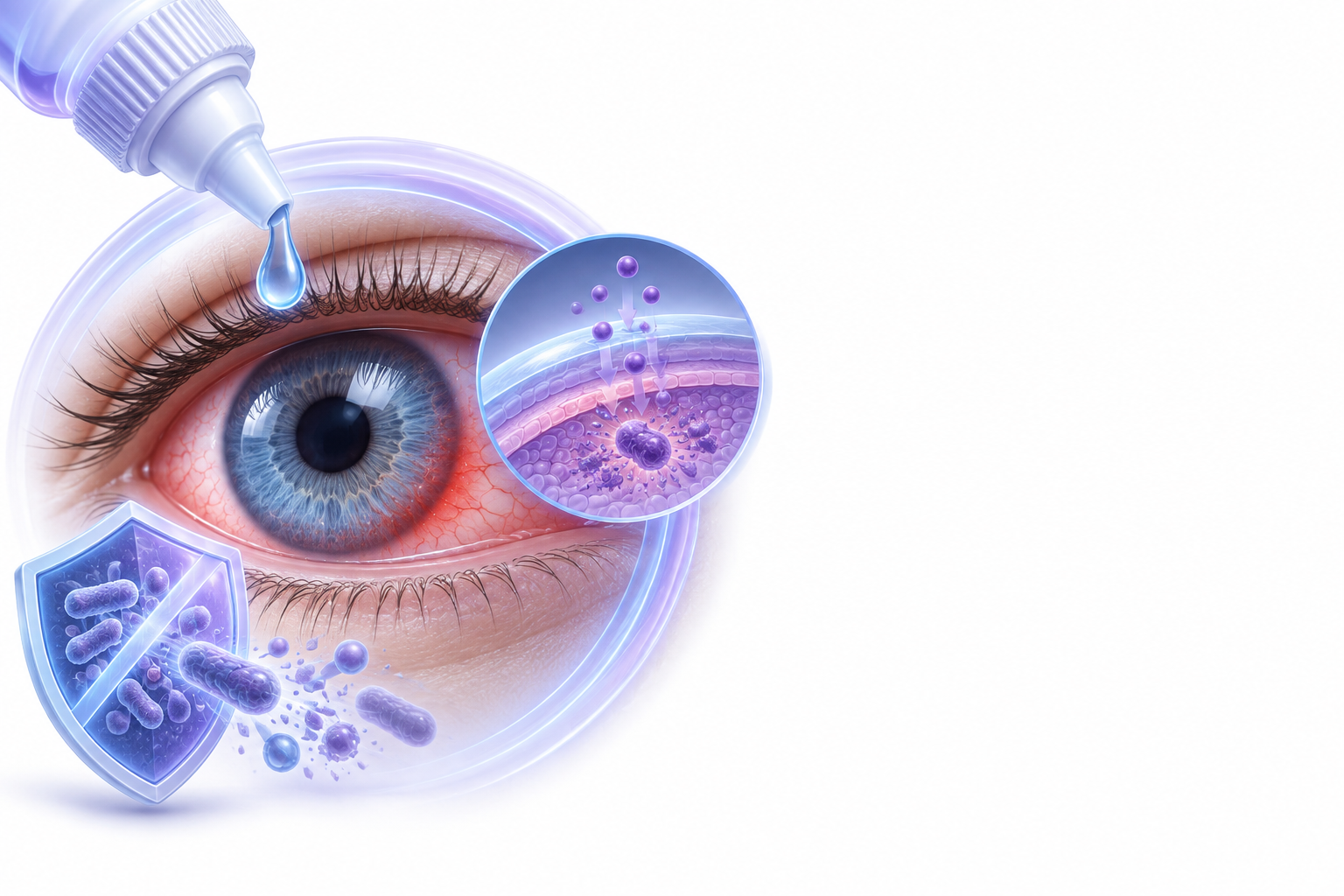
اريثرومايسين للعين
Erythromycin ophthalmic
[اسم الدواء]: علاج فعال لـ[الاستخدام]، استشر طبيبك قبل الاستخدام.
معلومات الدواء
خلاصة سريعة
- مرهم اريثرومايسين يعالج بعض التهابات العين الناتجة عن بكتيريا حساسة له، وليس كل احمرار في العين.
- غسل اليدين وتجنب ملامسة طرف الأنبوب للعين يساعدان على منع تلوث المرهم.
- قد تتشوش الرؤية مؤقتا بعد وضع المرهم؛ انتظر حتى تصفو قبل القيادة.
- أكمل مدة العلاج الموصوفة حتى إذا تحسنت الأعراض، ولا تشارك أنبوب المرهم مع غيرك.
- ألم العين الشديد أو تدهور الرؤية يستدعيان تقييما طبيا عاجلا.
خلاصة مولّدة آليًا بالذكاء الاصطناعي من محتوى المقال العلمي الموثوق.
Understanding and Addressing Muscle Atrophy
Muscle atrophy refers to the decrease in muscle mass. It can occur due to various reasons, including lack of physical activity, aging, malnutrition, or certain medical conditions.
Muscle atrophy can lead to weakness, reduced mobility, and an increased risk of falls. Identifying the underlying cause is crucial for effective management and treatment. Here are some common causes and potential solutions:
- Disuse Atrophy: This type occurs when muscles are not used regularly. For example, prolonged bed rest or immobilization after an injury can lead to muscle wasting. Treatment involves regular exercise and physical therapy to rebuild muscle strength.
- Age-Related Atrophy (Sarcopenia): As people age, they naturally lose muscle mass. This process can be slowed down with regular strength training and a diet rich in protein.
- Malnutrition: Inadequate intake of protein and calories can result in muscle atrophy. A balanced diet and nutritional supplements, if necessary, can help restore muscle mass.
- Medical Conditions: Certain diseases, such as cancer, heart failure, and hormonal imbalances, can cause muscle atrophy. Treatment focuses on managing the underlying condition and providing nutritional support and physical therapy.
The symptoms of muscle atrophy include noticeable shrinkage in muscle size, weakness, and difficulty performing physical activities. Diagnosis typically involves a physical exam, medical history review, and sometimes imaging tests or muscle biopsies.
Treatment options vary depending on the cause but often include a combination of exercise, nutritional support, and management of underlying medical conditions. Physical therapy plays a vital role in regaining muscle strength and function.
Exploring the Causes, Symptoms, and Management of Scoliosis
Scoliosis is a condition characterized by an abnormal curvature of the spine. While a normal spine appears straight when viewed from the back, a spine affected by scoliosis curves to the side, often in an 'S' or 'C' shape. This condition can affect people of all ages, but it most commonly begins during the growth spurt just before puberty.
The causes of scoliosis are diverse:
- Idiopathic Scoliosis: The most common type, with no known specific cause. It often appears during adolescence.
- Congenital Scoliosis: Caused by spinal deformities present at birth.
- Neuromuscular Scoliosis: Results from underlying neuromuscular conditions such as cerebral palsy or muscular dystrophy.
- Degenerative Scoliosis: Occurs in adults due to the degeneration of spinal discs and joints.
Symptoms of scoliosis can vary depending on the severity of the curvature. Mild scoliosis may have no noticeable symptoms, while more severe cases can cause:
- Visible curvature of the spine.
- Uneven shoulders or hips.
- Back pain.
- Difficulty breathing in severe cases.
Diagnosis typically involves a physical examination, X-rays, and sometimes MRI or CT scans to assess the curvature and identify any underlying issues.
Management of scoliosis depends on the severity of the curvature, the patient's age, and the underlying cause:
- Observation: For mild cases, regular monitoring to ensure the curvature does not worsen.
- Bracing: Used in growing children to prevent the curvature from progressing.
- Physical Therapy: Exercises to improve posture, strength, and flexibility.
- Surgery: Recommended for severe cases to correct the curvature and stabilize the spine.
Understanding and Managing Rheumatoid Arthritis
Rheumatoid arthritis (RA) is a chronic autoimmune disorder that primarily affects the joints. In RA, the body's immune system mistakenly attacks the synovium, the lining of the joints, causing inflammation and damage.
The exact cause of RA is unknown, but it is believed to involve a combination of genetic and environmental factors. Certain genes may increase the risk of developing RA, and exposure to certain environmental triggers, such as infections, may play a role.
The symptoms of RA can vary but typically include:
- Joint pain, swelling, and stiffness.
- Fatigue.
- Fever.
- Loss of appetite.
RA often affects the small joints of the hands and feet, but it can also affect larger joints such as the knees, shoulders, and hips. The symptoms are usually symmetrical, meaning they occur on both sides of the body.
Diagnosis of RA typically involves a physical examination, blood tests, and imaging tests. Blood tests can detect the presence of rheumatoid factor and anti-CCP antibodies, which are commonly found in people with RA. X-rays and MRI scans can help assess the extent of joint damage.
Treatment for RA aims to reduce pain and inflammation, slow down the progression of the disease, and improve quality of life. Treatment options include:
- Medications: Including disease-modifying antirheumatic drugs (DMARDs), nonsteroidal anti-inflammatory drugs (NSAIDs), and corticosteroids.
- Physical Therapy: Exercises to improve joint mobility and strength.
- Occupational Therapy: Strategies to protect joints and perform daily tasks more easily.
- Surgery: In severe cases, joint replacement surgery may be necessary.
Managing Type 2 Diabetes: A Comprehensive Overview
Type 2 diabetes is a chronic condition that affects the way the body metabolizes glucose, a major source of energy. With type 2 diabetes, the body either resists the effects of insulin (a hormone that regulates the movement of sugar into your cells) or doesn't produce enough insulin to maintain a normal glucose level.
Several factors can increase the risk of developing type 2 diabetes:
- Weight: Being overweight or obese.
- Inactivity: A sedentary lifestyle.
- Family History: Having a family history of diabetes.
- Age: The risk increases with age, especially after age 45.
- Ethnicity: Certain ethnic groups, such as African Americans, Hispanic Americans, and Native Americans, are at higher risk.
Symptoms of type 2 diabetes may develop gradually and can be mild. It's possible to have type 2 diabetes for years and not know it. Common symptoms include:
- Increased thirst.
- Frequent urination.
- Increased hunger.
- Unexplained weight loss.
- Fatigue.
- Blurred vision.
- Slow-healing sores.
- Frequent infections.
Diagnosis typically involves blood tests, such as a fasting plasma glucose test, an A1C test, or an oral glucose tolerance test.
Management of type 2 diabetes focuses on controlling blood sugar levels and preventing complications. This typically involves:
- Diet: Following a healthy eating plan that is low in sugar and refined carbohydrates.
- Exercise: Regular physical activity to help lower blood sugar levels and improve insulin sensitivity.
- Medications: Oral medications or insulin injections to help manage blood sugar levels.
- Monitoring: Regularly monitoring blood sugar levels to ensure they stay within the target range.
أسئلة شائعة
ما استخدامات اريثرومايسين للعين؟
يستخدم لعلاج بعض العدوى البكتيرية السطحية في العين، مثل التهاب الملتحمة الناتج عن بكتيريا حساسة له. لا يفيد في علاج التهاب العين الفيروسي أو الحساسية، لذلك لا تستخدمه لمجرد وجود احمرار دون معرفة السبب.
كيف أستعمل مرهم اريثرومايسين للعين؟
اغسل يديك واسحب الجفن السفلي برفق، ثم ضع المرهم في الجيب بين الجفن والعين دون أن يلامس طرف الأنبوب العين أو الأصابع. أغلق العين برفق بعد وضعه، واتبع الجرعة ومدة العلاج اللتين يحددهما الطبيب أو الصيدلي.
هل يسبب مرهم اريثرومايسين تشوش الرؤية؟
نعم، قد تحدث غشاوة مؤقتة بعد وضع المرهم، وقد يصاحبها تهيج أو احمرار خفيف. انتظر حتى تعود الرؤية واضحة قبل القيادة أو استخدام الآلات، وراجع الطبيب إذا استمرت الغشاوة أو صاحبها ألم شديد.
هل يمكن ارتداء العدسات اللاصقة أثناء العلاج؟
تجنب ارتداء العدسات اللاصقة أثناء وجود عدوى في العين وخلال العلاج، واستخدم النظارة بدلا منها. اسأل الطبيب متى يمكنك العودة إلى العدسات، وكيفية تنظيفها أو استبدالها لتجنب تكرار العدوى.
هل يمكن إيقاف المرهم عند تحسن العين؟
لا توقف العلاج مبكرا لمجرد اختفاء الاحمرار أو الإفرازات؛ أكمل المدة التي وصفها الطبيب. إذا لم تتحسن الأعراض أو ازدادت سوءا، تواصل معه لإعادة تقييم الحالة بدلا من تمديد العلاج بنفسك.
هل يستخدم اريثرومايسين للعين لحديثي الولادة؟
قد يستخدمه الفريق الطبي بعد الولادة للوقاية من عدوى العين بالمكورات البنية وفق البروتوكول المعتمد. أما ظهور احمرار أو إفرازات لدى حديث الولادة فيحتاج إلى تقييم طبي سريع، ولا يكفي إعطاء المرهم من تلقاء نفسك.
أدوية ذات صلة
بروبافينون
propafenone
يستخدم هذا الدواء لمنع اضطرابات ضربات القلب الخطيرة، ويجب استشارة الطبيب قبل الاستخدام.
التفاصيلأوكسيميتازولين، مينثول، مرهم أبو فاس
Oxymetazoline, menthol, others vaporub ointment
مرهم لتخفيف السعال، البرد، وآلام المفاصل.
التفاصيلأوكسيميتازولين، مينثول، مرهم أبو فاس
Oxymetazoline, menthol, others vaporub ointment
مرهم للاستنشاق يخفف السعال وأعراض البرد وآلام العضلات.
التفاصيل