
هيالورونيك
hyaluronic
دواء لتخفيف الألم وعلاج الالتهابات.
معلومات الدواء
خلاصة سريعة
- تختلف استخدامات حمض الهيالورونيك بحسب شكل المستحضر؛ ولا يمكن استبدال قطرات العين بمستحضرات البشرة.
- تساعد مستحضرات البشرة المحتوية عليه على الاحتفاظ بالرطوبة، لكنها ليست علاجا لكل طفح جلدي.
- تستخدم بعض قطرات الهيالورونات لترطيب سطح العين وتخفيف أعراض الجفاف.
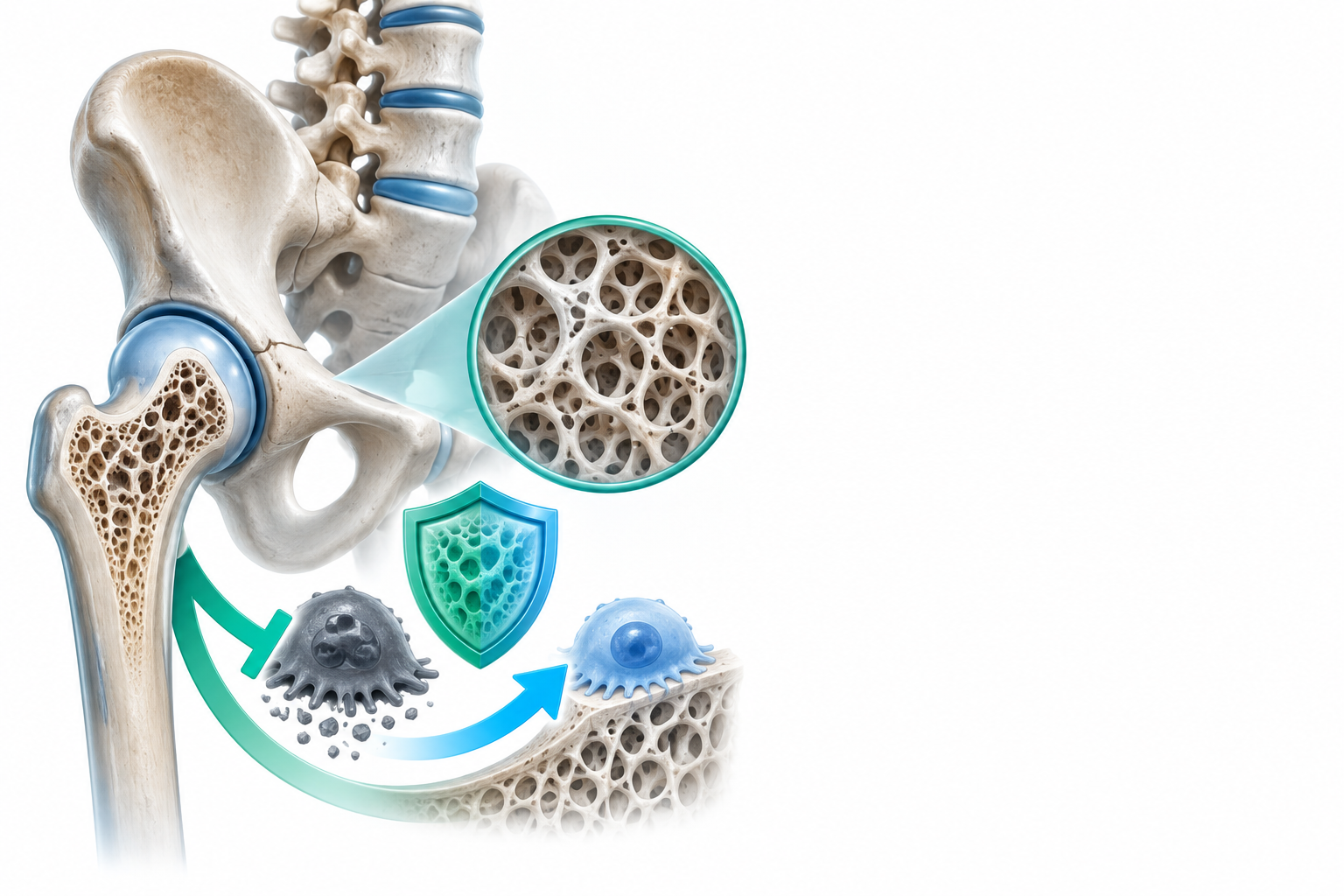
- قد تستخدم بعض حقنه لتخفيف ألم خشونة الركبة عند مرضى يختارهم الطبيب، ولا تعيد بناء الغضروف.
- يحدد الطبيب أو الصيدلي الجرعة وطريقة الاستخدام بحسب المنتج والحالة، وتجرى الحقن لدى مختص مؤهل.
خلاصة مولّدة آليًا بالذكاء الاصطناعي من محتوى المقال العلمي الموثوق.
Understanding and Addressing Pediatric Diarrhea
Diarrhea in children, characterized by frequent and watery stools, is a common concern for parents. It can result from various factors, including infections like viruses, bacteria, or parasites. Dietary issues, such as food sensitivities or excessive juice consumption, can also contribute. Certain medications might disrupt a child's digestive system, leading to diarrhea. Additionally, underlying medical conditions may be responsible.
Effective management involves identifying the cause, maintaining hydration, and adjusting the child's diet to ease symptoms. Consulting a healthcare professional is essential for accurate diagnosis and appropriate treatment.
Effective Strategies for Managing Childhood Constipation
Constipation in children, marked by infrequent bowel movements or difficulty passing stools, is a prevalent issue. Dietary factors, such as inadequate fiber intake, are often culprits. Insufficient fluid consumption can also contribute. A sedentary lifestyle may slow down bowel function. In some cases, withholding stool due to fear or anxiety exacerbates the problem. Certain medical conditions or medications might also be responsible.
Successful management involves increasing fiber and fluid intake, encouraging regular physical activity, and establishing consistent toilet habits. A healthcare provider can offer guidance and rule out underlying medical causes.
Recognizing and Managing Common Childhood Skin Rashes
Skin rashes are a frequent occurrence in children, presenting as red, itchy, or bumpy patches. Allergic reactions to foods, medications, or environmental triggers are common causes. Infections like viruses or bacteria can also manifest as rashes. Irritants such as harsh soaps or detergents may provoke skin irritation. Conditions like eczema or psoriasis can lead to chronic rashes.
Effective management involves identifying the cause, avoiding triggers, and using appropriate topical treatments. Consulting a pediatrician or dermatologist is important for accurate diagnosis and tailored treatment plans.
Managing Fever in Children: A Comprehensive Guide
Fever, an elevated body temperature, is a common symptom in children, often indicating an underlying infection. Viral infections like the common cold or flu are frequent causes. Bacterial infections, such as ear infections or pneumonia, can also trigger fever. Teething may cause a slight temperature increase, but usually not a high fever. In some instances, fever may occur after vaccinations.
Management focuses on monitoring the child's temperature, providing comfort measures, and administering appropriate fever-reducing medication when necessary. Consulting a healthcare professional is essential, especially for high or persistent fevers, to determine the underlying cause and ensure proper care.
Understanding and Treating Ear Infections in Children
Ear infections, also known as otitis media, are a common ailment in children, characterized by inflammation and fluid buildup in the middle ear. Bacterial or viral infections are the primary causes. Allergies can contribute by causing inflammation in the nasal passages, leading to ear infections. Exposure to secondhand smoke increases the risk. Anatomical factors can also play a role.
Treatment often involves pain management with over-the-counter medications and, in some cases, antibiotics for bacterial infections. Monitoring the child's symptoms and consulting a healthcare professional are crucial for appropriate diagnosis and treatment.
Effective Strategies for Managing Coughs and Colds in Children
Coughs and colds are frequent occurrences in children, typically caused by viral infections of the upper respiratory tract. Common culprits include rhinovirus and influenza virus. Exposure to irritants like smoke or pollution can exacerbate symptoms. Allergies can also trigger coughs and cold-like symptoms. In some cases, bacterial infections may cause secondary complications.
Management focuses on providing supportive care, such as rest, hydration, and nasal congestion relief. Over-the-counter cough and cold medications may offer temporary relief, but consulting a healthcare professional is recommended, especially for young children or persistent symptoms.
Recognizing and Addressing Allergic Reactions in Children
Allergic reactions in children occur when the immune system overreacts to a normally harmless substance, known as an allergen. Common allergens include foods like peanuts, tree nuts, milk, eggs, soy, and wheat. Insect stings, medications, and environmental factors like pollen or pet dander can also trigger allergic reactions. Latex allergies are also possible.
Reactions can range from mild symptoms like hives or itching to severe reactions like anaphylaxis, requiring immediate medical attention. Management involves avoiding known allergens, using antihistamines for mild reactions, and carrying an epinephrine auto-injector for severe allergies. Consulting an allergist is essential for diagnosis and creating a comprehensive management plan.
Understanding and Supporting Children with ADHD
Attention-deficit/hyperactivity disorder (ADHD) is a neurodevelopmental disorder characterized by inattention, hyperactivity, and impulsivity. Genetic factors play a significant role. Differences in brain structure and function are associated with ADHD. Environmental factors, such as exposure to toxins during pregnancy, may also contribute.
Management involves a combination of behavioral therapy, medication, and educational support. Creating a structured environment, teaching organizational skills, and providing positive reinforcement can help children with ADHD succeed. Consulting with healthcare professionals, educators, and therapists is essential for developing an individualized treatment plan.
Promoting Healthy Sleep Habits in Children: A Guide for Parents
Establishing healthy sleep habits is crucial for children's physical and cognitive development. Inconsistent sleep schedules can disrupt a child's natural sleep-wake cycle. Screen time before bed can interfere with sleep. Uncomfortable sleep environments or underlying medical conditions can also contribute to sleep problems.
Strategies for promoting healthy sleep include establishing a consistent bedtime routine, creating a relaxing sleep environment, and limiting screen time before bed. Encouraging physical activity during the day and avoiding caffeine or sugary drinks close to bedtime can also improve sleep quality. Consulting a pediatrician if sleep problems persist is recommended.
أسئلة شائعة
ما هو هيالورونيك وما استخداماته؟
يشير الاسم غالبا إلى حمض الهيالورونيك، وهو مادة موجودة طبيعيا في الجسم وتساعد على الاحتفاظ بالماء وتزليق الأنسجة. يدخل في مستحضرات للبشرة والعين وحقن للمفاصل أو الحشو التجميلي، ولكل منها استخدام وتعليمات مختلفة.
هل هيالورونيك مناسب لترطيب البشرة الجافة؟
تساعد المستحضرات الجلدية المحتوية على حمض الهيالورونيك على الاحتفاظ بالرطوبة، ما قد يخفف الشعور بالجفاف والشد بعد غسل الوجه. اختر منتجا مخصصا للبشرة، وتوقف عنه إذا سبب تهيجا.
هل يمكن استخدام هيالورونيك لجفاف العين؟
تحتوي بعض قطرات الترطيب على هيالورونات الصوديوم، وتستخدم لتخفيف أعراض جفاف العين. استخدم فقط المستحضر المخصص للعين، واطلب تقييما طبيا إذا صاحبت الأعراض آلام أو تغيرات في الرؤية.
هل حقن الهيالورونيك تعالج خشونة الركبة؟
قد يصف الطبيب بعض حقن حمض الهيالورونيك لتخفيف ألم خشونة الركبة عندما لا تكفي خيارات علاجية أخرى. لا تعالج هذه الحقن سبب الخشونة ولا تعيد بناء الغضروف، ويحدد الطبيب مدى ملاءمتها للحالة.
ما الآثار الجانبية لحمض الهيالورونيك؟
تختلف الآثار بحسب المستحضر؛ فقد يحدث تهيج مع المنتجات الموضعية، أو ألم وتورم بعد حقن المفصل. أما حقن الحشو التجميلي فلها مخاطر خاصة، منها انسداد الأوعية الدموية، ويستلزم الألم الشديد أو تغير الرؤية بعدها تقييما عاجلا.
هل هيالورونيك يعالج الإسهال أو الطفح الجلدي عند الأطفال؟
حمض الهيالورونيك ليس علاجا معتادا لإسهال الأطفال، ولا يمكن اعتباره علاجا عاما للطفح الجلدي. النص المرفق يناقش مشكلات الأطفال ولا يوضح صلتها بالمنتج؛ لذا اعرض العبوة على الطبيب أو الصيدلي قبل استخدامه لطفلك.
أدوية ذات صلة
بروبافينون
propafenone
يستخدم هذا الدواء لمنع اضطرابات ضربات القلب الخطيرة، ويجب استشارة الطبيب قبل الاستخدام.
التفاصيلأوكسيميتازولين، مينثول، مرهم أبو فاس
Oxymetazoline, menthol, others vaporub ointment
مرهم لتخفيف السعال، البرد، وآلام المفاصل.
التفاصيلأوكسيميتازولين، مينثول، مرهم أبو فاس
Oxymetazoline, menthol, others vaporub ointment
مرهم للاستنشاق يخفف السعال وأعراض البرد وآلام العضلات.
التفاصيل